
brochure 01476 564433

Request Your Brochure
Vale Garden Houses, Belton Park, Londonthorpe Road, Grantham, Lincolnshire, NG31 9SJ.
Vale Garden Houses, Belton Park, Londonthorpe Road, Grantham, Lincolnshire, NG31 9SJ.
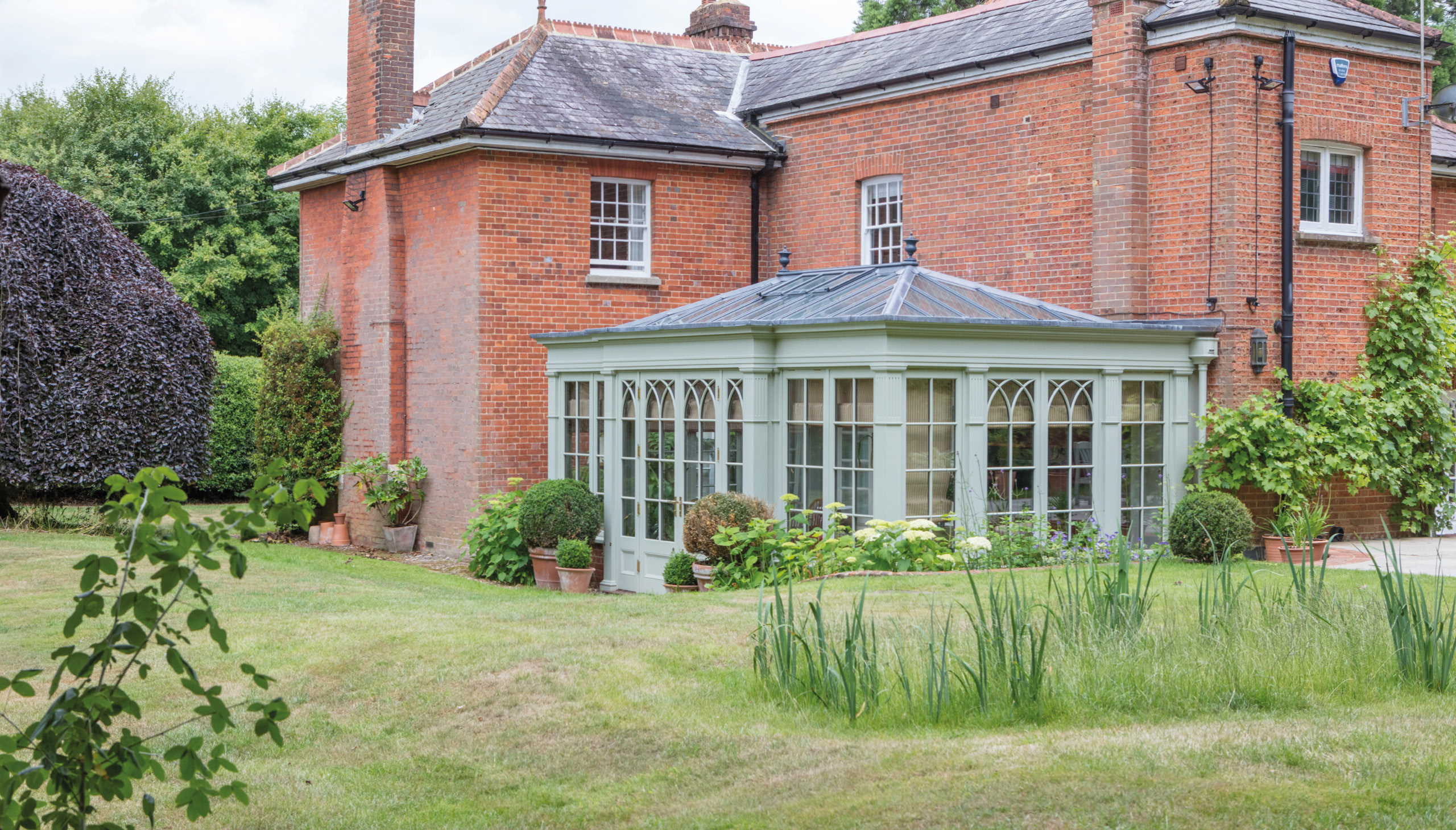
Carefully considered in its detail, the orangery was designed to enhance the property, transforming what was once an empty space and relatively featureless aspect of a magnificent home into a luxurious addition that offers expansive views of the garden, and makes excellent use of the surrounding outdoor space.
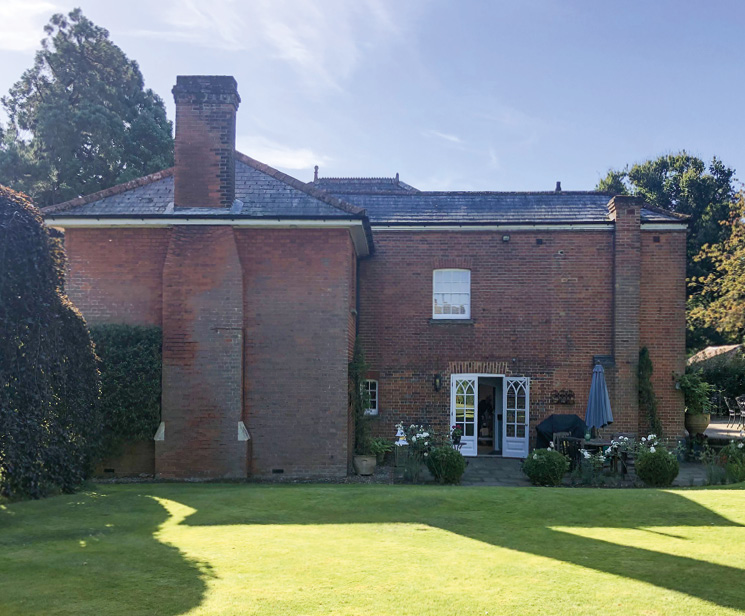
There was an abundance of architectural detail to the front and garden elevation of this Georgian property, yet to the rear was a relatively featureless aspect except for a tall living room window and a pair of original french doors leading from the kitchen with gothic arched heads.
The idea was to design an orangery that was classically proportioned and in keeping in character, incorporating subtle detail found elsewhere on the property. This would allow the new addition to sit comfortably alongside the existing building and demonstrate architectural continuity.
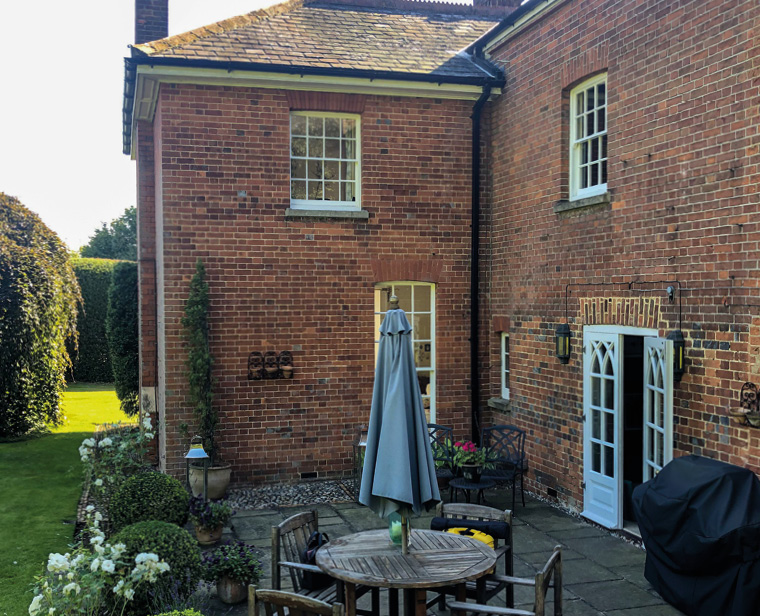
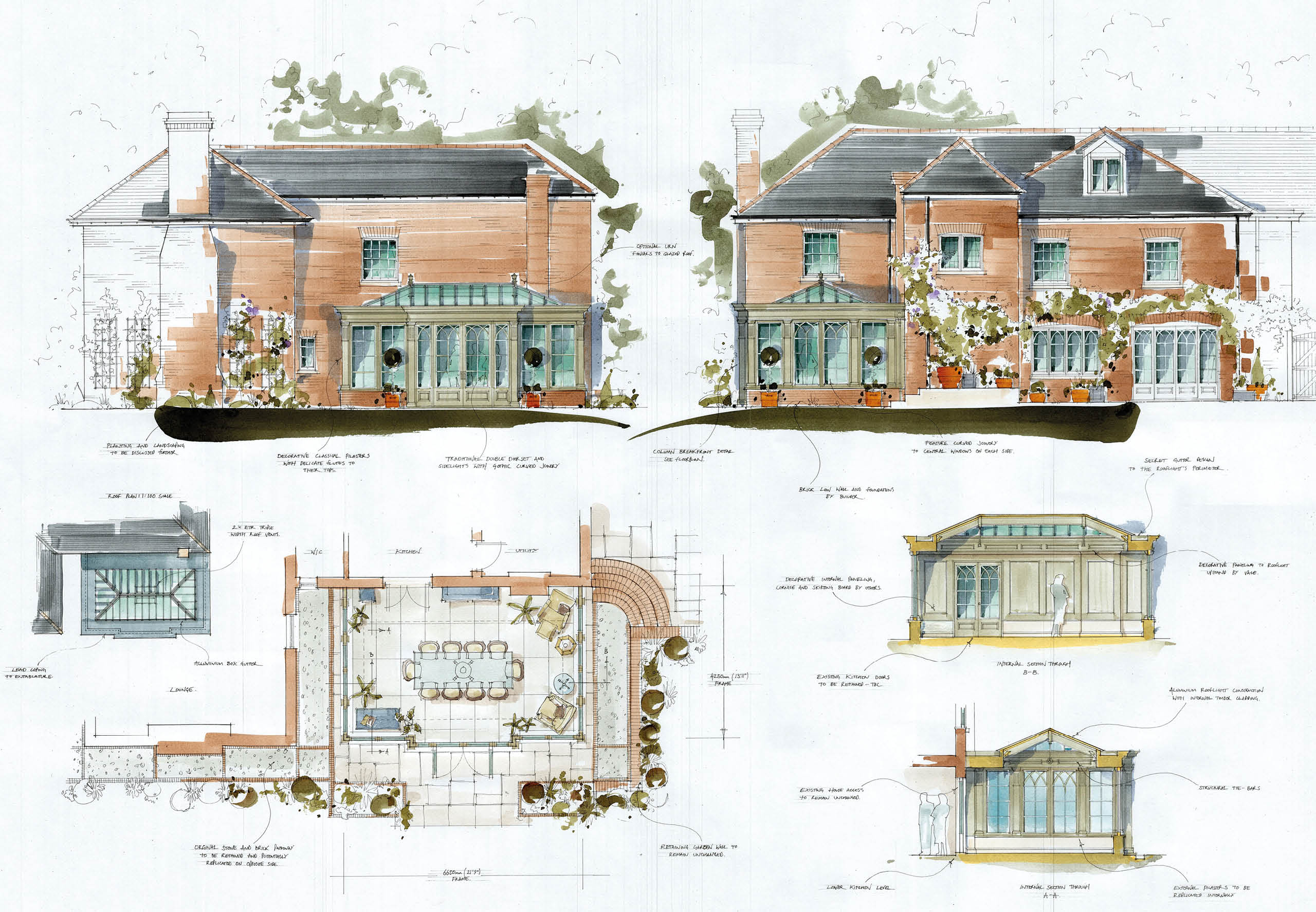
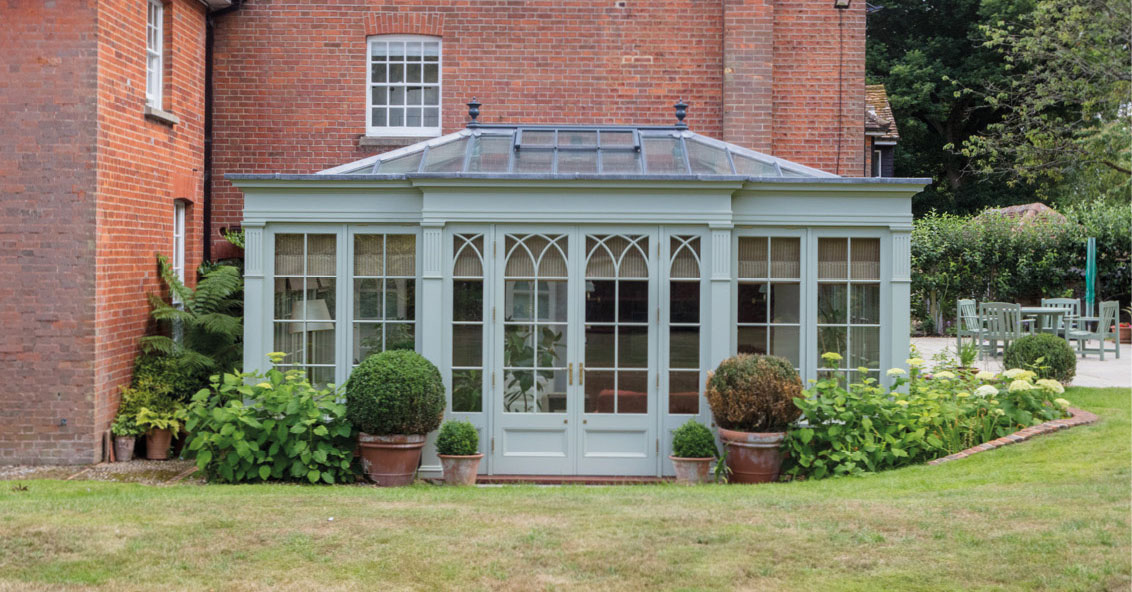
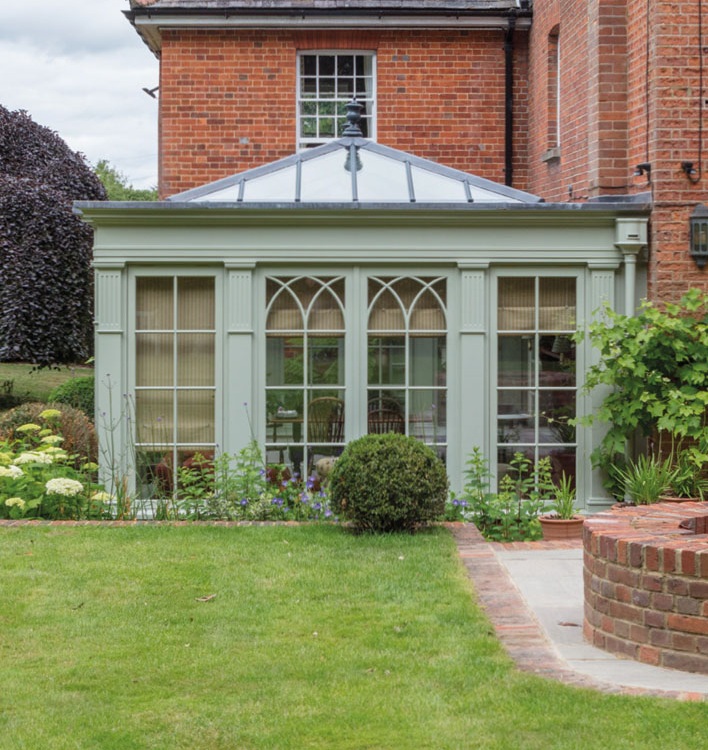
The classical and gothic features of the room were carefully selected to harmonise with the existing fenestration and architectural detailing of the house. Most notably, the orangery doors and central feature windows adopt the same curved joinery language found within the kitchen windows.
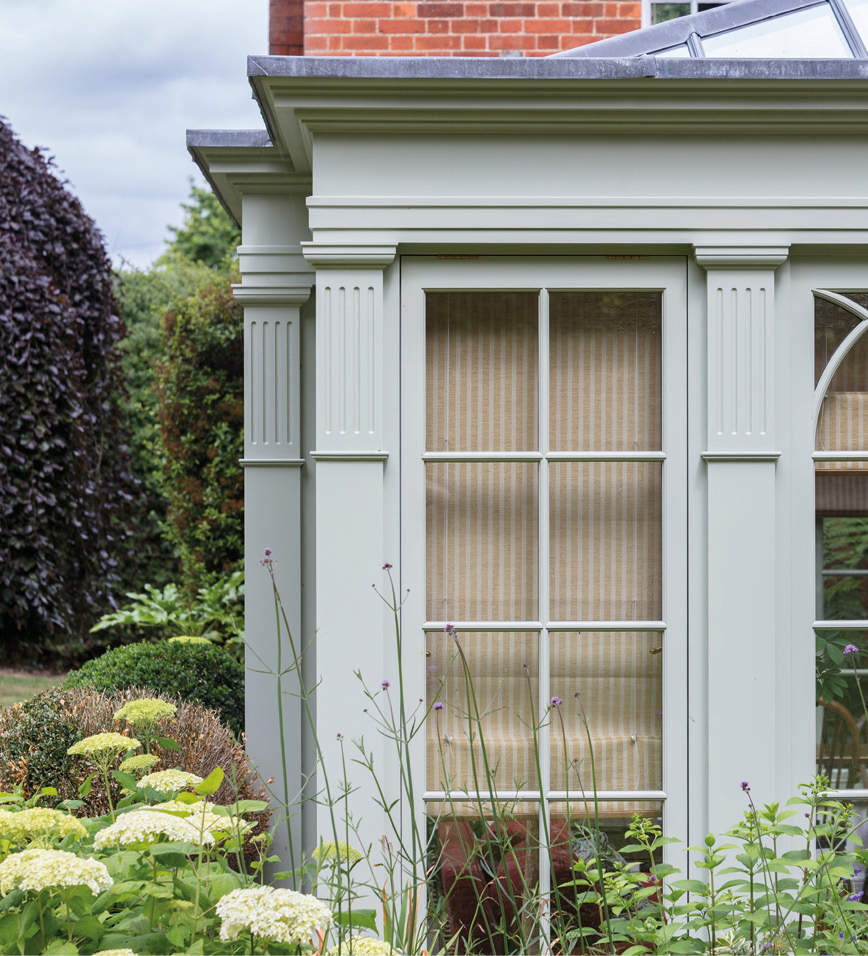
The pilasters used throughout the orangery incorporate a fluted design, referencing the style and construction of the property’s period front porch.
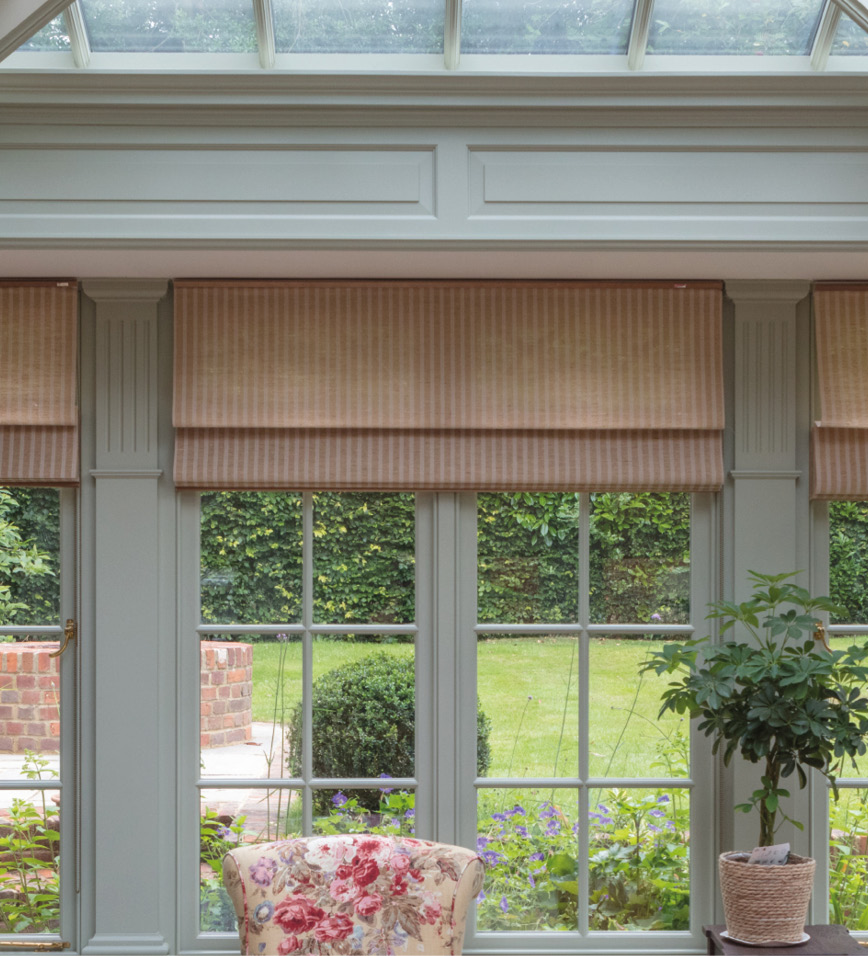
A box gutter sits to the perimeter of the inset roof of the orangery, which is hidden externally with a deep entablature and mouldings. Internally this is finished with raided and fielded panels and decorative cornice.
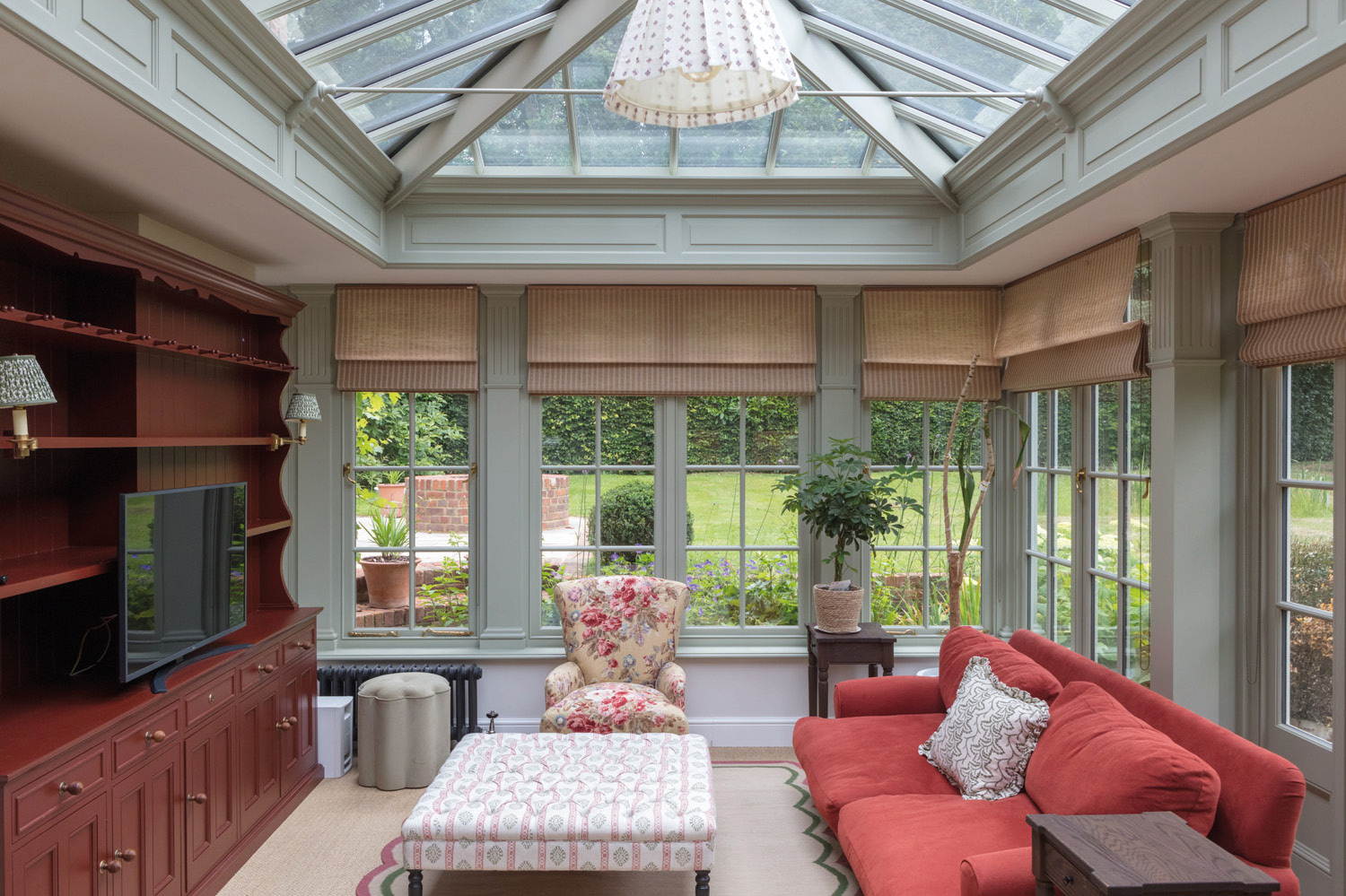
Internally, the same considerations are extended through the side joinery, with replica pilasters and carefully introduced areas of panelling used to soften larger expanses of solid construction.
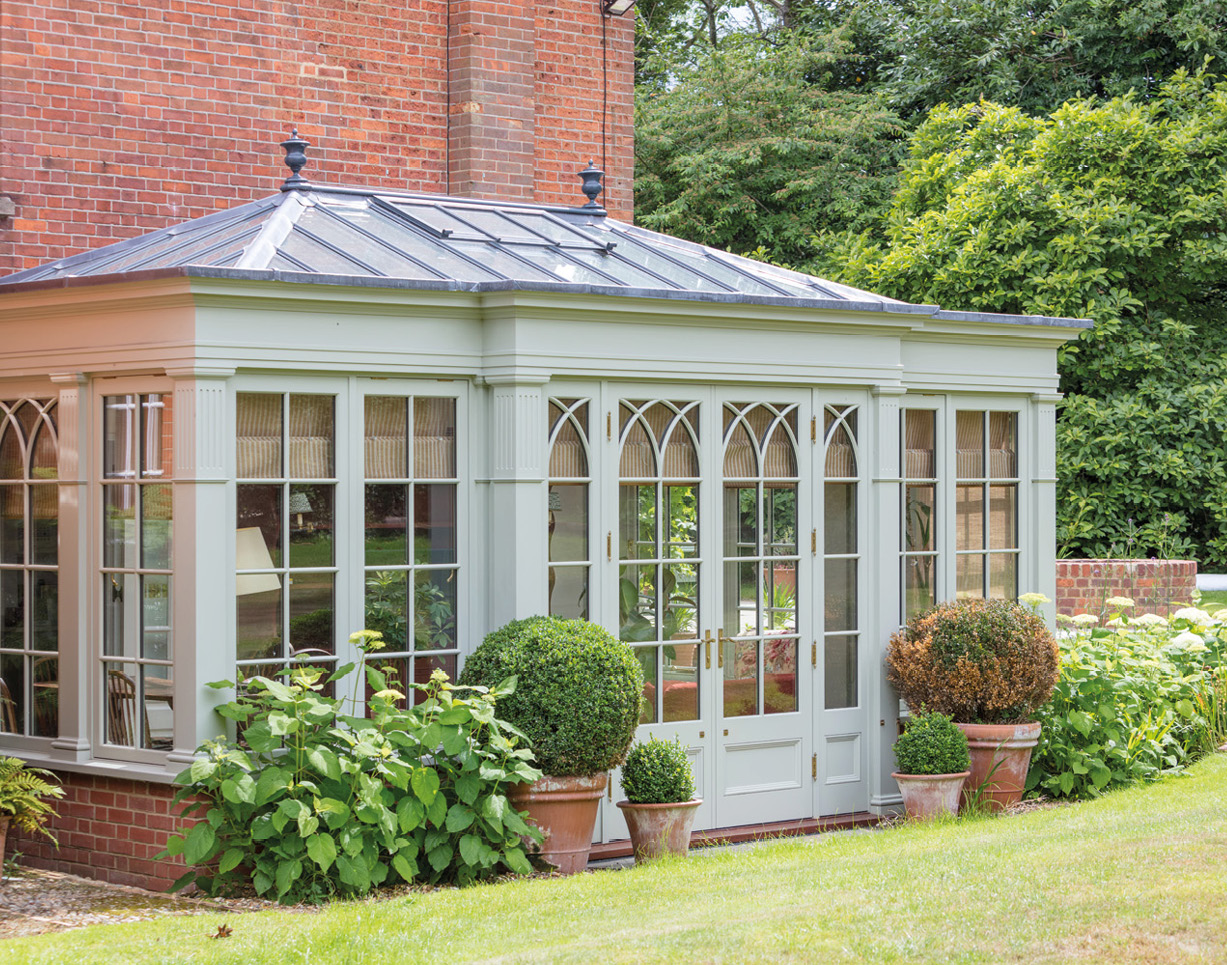
The central section of the orangery features a breakfront detail which breaks up what would otherwise be a linear run of doors and panels. This contributes to the period character of the orangery and softens the visual bulk of the room.

